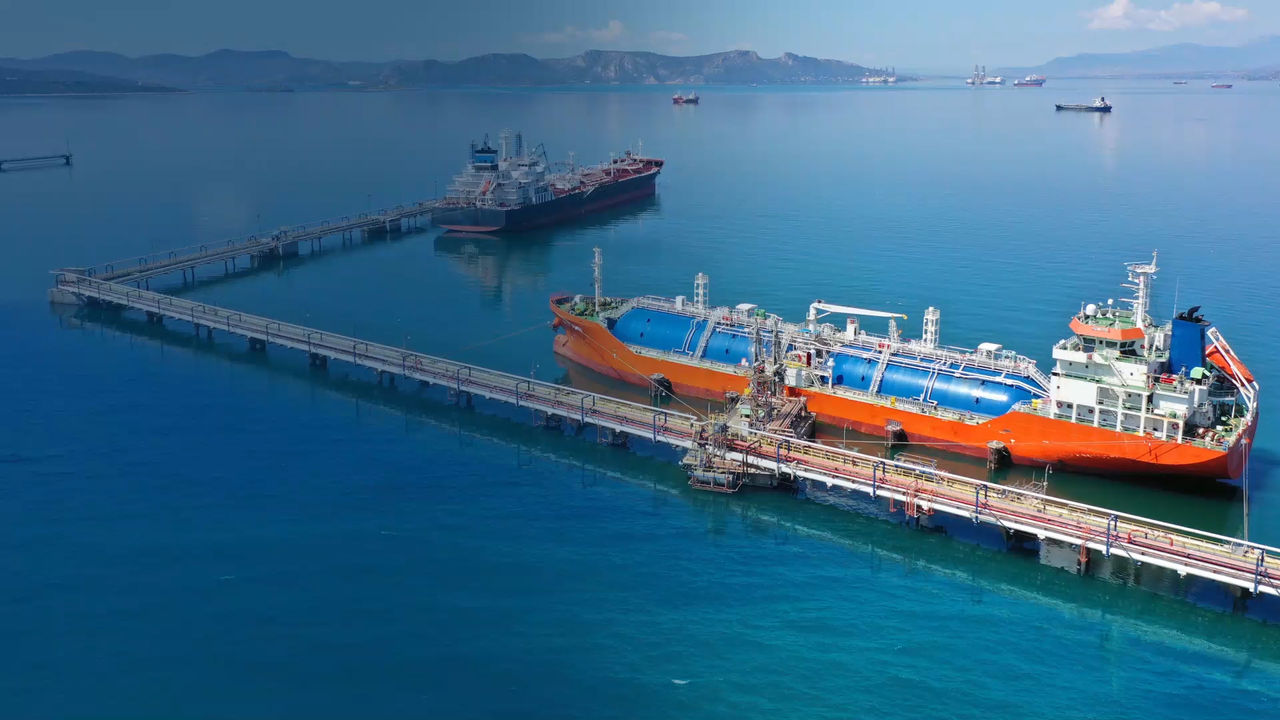
With the regulatory framework in place defining emission reductions levels for sulfur in marine fuels, NOx Tier III for engines and EEDI for ships, an evolution has begun in the fields of marine fuels and ship technologies. The future will bring changes in bunker fuel quality, a move to LNG and other alternative fuels and the emergence of alternative emissions abatement technologies. Each alternative presents its own challenges and benefits along with varying levels of cost effectiveness.
In the face of these changes, shipping companies are evaluating potential solutions, none of which is technically or economically straightforward. To support the decision-making process, the ABS Academy in Greece conducted a two-day interactive training course that focused on MARPOL Annex VI related regulations, marine fuels in use and their properties, ship-board fuel management and fuel consumption measurement and prospects for EU/IMO MRV (Monitoring, Reporting and Verification). The curriculum also comprised the use of alternative compliance methods – such as SOx scrubbers, NOx SCR and EGR – water in fuel emulsions and alternative solutions, including biofuels and LNG as marine fuel.
Dr. Zabi Bazari, an independent consultant on marine energy and emissions, led the training, supported by Yiannis Papadimitriou, an independent consultant on oil testing and fuel management. ABS APM-OEP team members Stamatis Fradelos and Michalis Servos contributed by weighing in on MRV, fuel consumption measurement and performance assessment. Participants included representatives from Minerva Marine, GASLOG LNG Services, Eastern Mediterranean, Nereus Shipping, Blossom Maritime and Cavodoro.
According to Dr. Bazari, offering a training course of this kind for the first time was a challenge because of the many aspects of fuel and alternative fuels and compliance methods covered, noting that it was a privilege to work with ABS to provide this information to clients.
“The in-class discussion supported our observation that there is a true need in the industry for training due to gaps in understanding the pros and cons of future compliance alternatives,” says Lefteris Karaminas, ABS Europe Learning Center Manager, who managed and supported the development of this specialized course.
Karaminas adds that the course not only provided a good overview of future developments but also addressed current “onboard fuel oil management issues,” as well as elements of energy efficiency monitoring and reporting. The brainstorming and information-sharing workshops also allowed attendees to fully engage in discussions about compliance options available, risks and cost-effectiveness issues.
“With this training, ABS is addressing one of the most challenging questions that shipowners and operators will face in the short to medium term regarding sulfur and NOx regulatory compliance,” says Karaminas.
“ABS Academy plans to follow developments in this sector, continue to raise awareness when changes take place and provide in-depth training as the need arises.”



.png)
.png)
.png)