As shipping companies focus more on operational efficiency, the use of the Northern Sea Route (NSR) is becoming an attractive option for minimizing travel time between northern Europe and Asia. To support shipowners and operators intending to transit the commercial shipping routes through the Arctic seas, ABS has released its Navigating the Northern Sea Routeadvisory.

Trading through the NSR instead of using the traditional route via the Suez Canal has the potential to reduce the typical transit times between Japan and Rotterdam by as much as 3,400 miles – or 10 days. This reduction in travel time brings with it commensurate gains in overall vessel utilization and reductions in bunker costs.


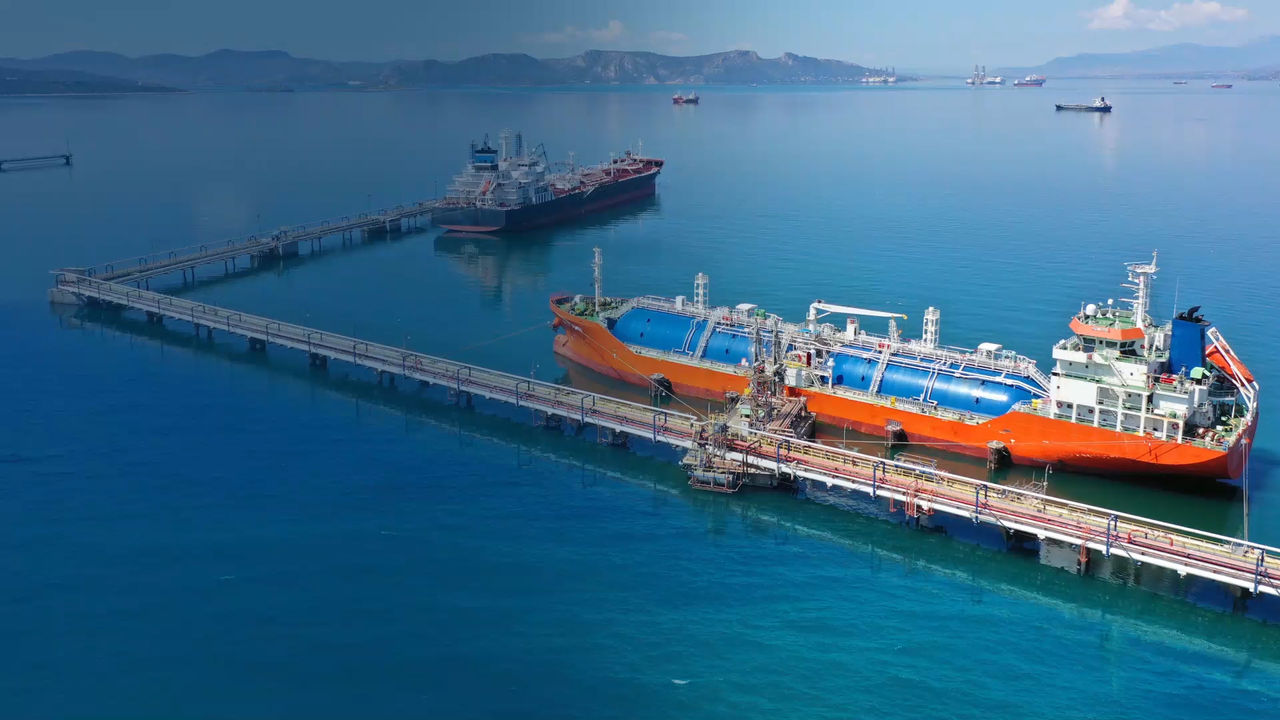
The NSR also will provide access to the growing energy and industrial activity in northern Russia, where several projects already have led to greater tanker traffic in the area and have provided the impetus for recent orders of ice-class LNG carriers for future export trades.
The comprehensive ABS advisory, which was developed with assistance from Russia’s Central Marine Research and Design Institute, provides owners with the information they need to apply for permits and to identify the possible technical and operational risks that could arise when trading in some of the world’s most challenging commercial shipping environments.
Just a few should years ago the NSR was virtually unnavigable by all but the most powerful icebreaker. The Russian Federations's recent moves to encourage international shipping and the melting ice floes have opened many opportunities. The advisory was developed to provide the industry with information needed to navigate those challenges safely and efficiently, while also helping to minimize environmental impact.
Owners and operators interested in using the NSR should visit the Northern Sea Route Administration website (www.NSRA.ru) for the most current information, and refer to the ABS Guide for Vessels Operating in Low Temperature Environments, available for free download at www.eagle.org.