Gas Shipping Market Undergoing Fundamental Change

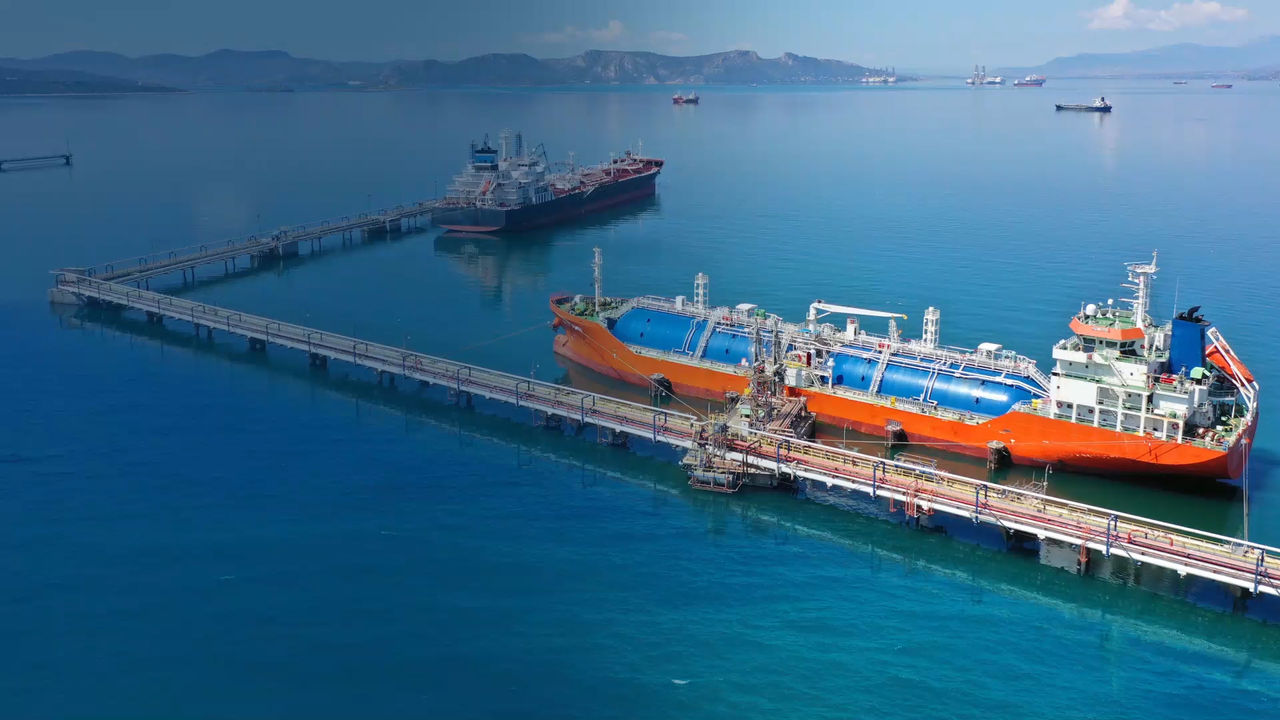
The gas shipping market is undergoing fundamental change. Driven by shale production in North America and the expansion of the Panama Canal, the gas revolution will see the US move from being a net importer to a net exporter of LNG and ethane.

In response to the shifting supply/demand picture, ship designers are reviving alternative containment system concepts as owners and shippers investigate smaller scale LNG vessels with lower construction costs. At the same time, the export of natural gas liquids such as ethane is pushing vessel sizes higher and placing new demands on technology providers.



In the world’s mainstream shipping fleet, new regulations on exhaust gas emissions are sharpening the focus on the use of LNG as fuel. Dual fuel propulsion technology is developing fast and both ocean-going and coastal-trading ships are being equipped with gas-fuel engines.

ABS has more than half a century of experience in gas shipping and is the industry leader in LNG as fuel for bunker supply and propulsion solutions. In addition to its rules for gas carriers, ABS has conducted many AIPs for new vessel concepts. Its Guide to LNG Bunkering provides an in-depth analysis of the regulatory and technical requirements that industry must consider.

In addition to its worldwide network of trained and experienced surveyors, ABS offers dedicated support to clients through the Global Gas Solutions Group, providing guidance across the full range of gas-related shipping projects. Whether for floating structures, gas fuel systems and equipment, gas carriers or for regulatory and statutory requirements, the team provides specification reviews, risk and hazard assessments, bunkering suitability reviews, project management for new construction and feasibility studies.